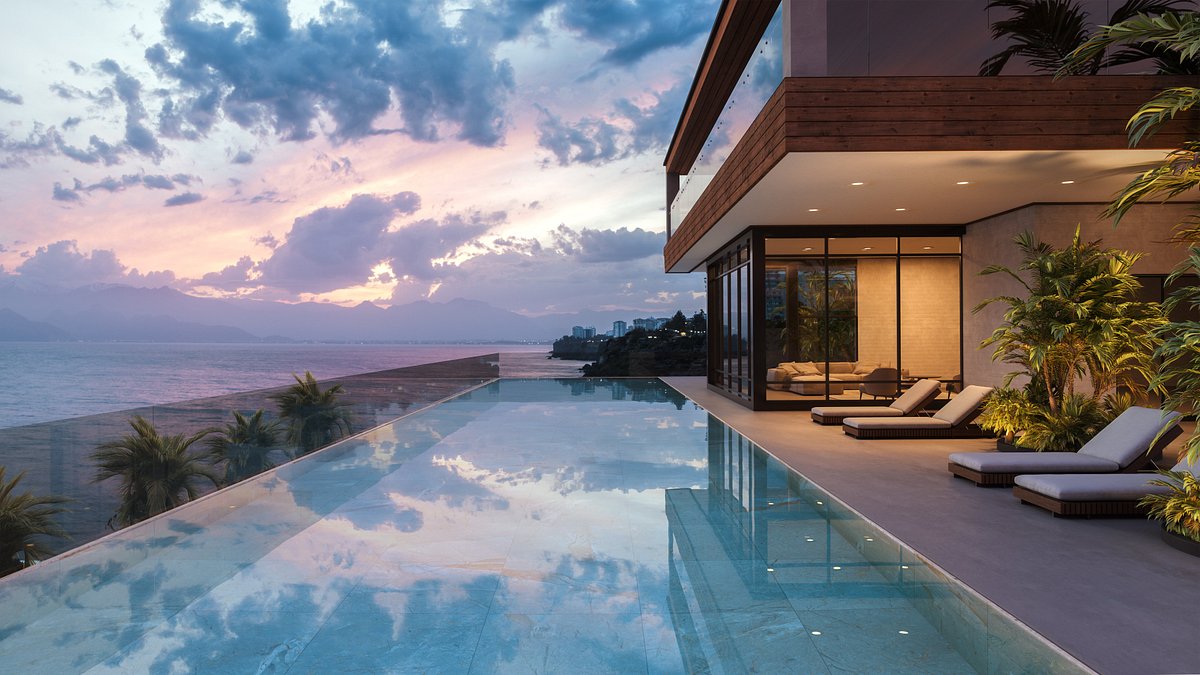

"I want a villa in Bali" is not a brief you can shortlist against. The island is the size of Cyprus, and the gap between its neighbourhoods is wider than between different cities.
The brief comes before the map
Before looking at a single listing, three questions are worth answering honestly.
- What is it for — living in, renting out, reselling in three to five years, or some combination?
- How much of the year will you actually be there — twelve months, two winter ones, or a fortnight?
- Do you want to manage it — your own staff, reports, repairs — or hand it to an operator?
The answers narrow the map faster than the budget does. A house to live in and a house to let are different streets and different floor plans, even in the same village.
Canggu and Pererenan
The island's centre of gravity for the last decade: surf, co-working, restaurants and the densest international community anywhere in Bali. Rental demand runs year-round and nightly rates are the highest on the island.
The trade-off is density. Land is expensive, construction is relentless, and the rice-field view you pay for today can be a neighbour's wall in two years. Traffic at peak hours is heavy, and in some pockets water and drainage are the real constraint.
Suits: investors who need occupancy and a liquid exit. Check: what is approved for the neighbouring plots, access road width, borehole and electrical capacity.

Uluwatu and the Bukit
The southern peninsula: cliffs, ocean, world-class surf breaks and beach clubs. Clifftop land with a view is the most expensive asset on the island, but a little further inland prices sit well below Canggu.
Seasonality bites harder here — summer is the peak, and the shoulder months are noticeably quieter. Water deserves particular attention: mains supply is patchy and boreholes have to go deep.
Suits: buyers with a longer horizon; the area is growing faster than the island average. Check: genuine beach access, water reliability, and slope stability if the plot sits near the edge.
Ubud
Inland, among jungle and rice terraces, with yoga retreats and long-stay guests. Nightly rates are lower than on the coast, but occupancy is steadier: people come for a month or two, not a weekend.
Ubud is the better choice if you are buying for yourself and value quiet. As an investment it compounds more slowly, but it is far less exposed to fashion moving one street over.
Suits: living, long-term letting, buyers who do not want a building site next door. Check: the access road in rainy season, humidity and upkeep, and green zones where building is simply not permitted.
Sanur
The quiet east coast, with a promenade, calm water and settled infrastructure: clinics, schools, supermarkets. The audience is families and full-time residents.
Sanur spent years being called boring, which is exactly why prices rose more slowly than elsewhere. New transport links have changed the conversation.
Suits: families and buyers who want predictability rather than maximum yield.
Nusa Dua and Jimbaran
The resort belt: international hotels, golf, gated grounds. Fewer private villas, more apartments and condo-hotels under professional management.
Suits: owners who want an income-producing asset with no personal involvement and will accept a lower return for predictability.
Side by side
| Area | Entry price | Audience | Occupancy | Main risk |
|---|---|---|---|---|
| Canggu / Pererenan | high | remote workers, surfers | high, year-round | density, traffic |
| Uluwatu / Bukit | mid–high | surfers, couples | seasonal | water, slopes |
| Ubud | mid | long-stay guests | steady | green zones, humidity |
| Sanur | mid | families, residents | steady | lower rate ceiling |
| Nusa Dua | mid | hotel guests | managed | operator dependency |
Three common mistakes
Buying from drone footage
An aerial shot shows neither the building site next door, nor the narrow access lane, nor the road noise at seven in the morning. We always ask clients to spend one evening and one weekday morning in the area first.
Modelling yield on the high season
An August rate and a February rate differ by a factor of two. An annual model built on August numbers will miss reality by something like forty per cent.
Ignoring zoning
A beautiful plot in a green zone will never become a villa — the permit does not exist, and by then the money is committed. Zoning gets checked before the deposit, not after.
How we shortlist. We start with the three questions above, narrow to two or three areas, and only then look at individual properties — usually five to eight, each with documents, a yield model and an honest list of drawbacks.